
Our top pick6,656 reviews
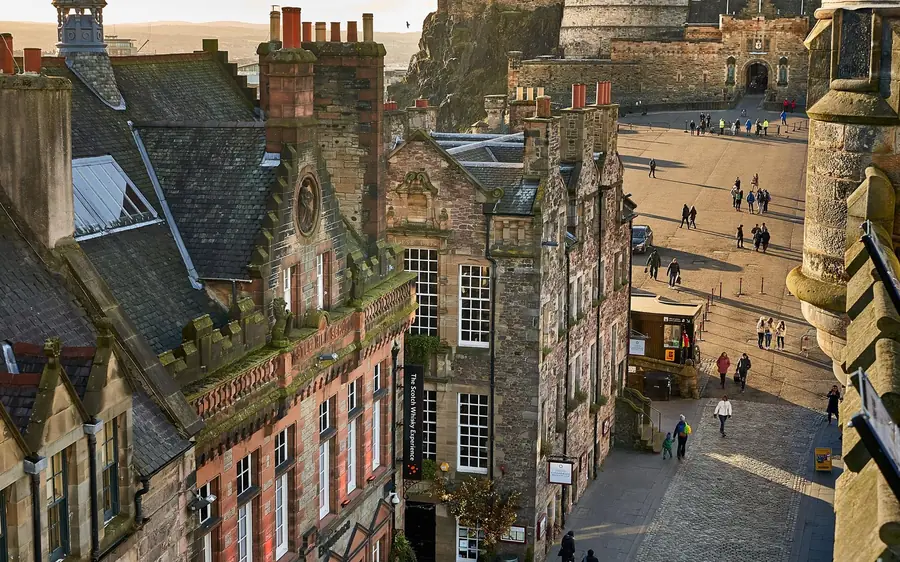
75 minThe Scotch Whisky Experience
★ 4.7 · 6 656 reviews
- 50 - 75 minutes, in the vault
- Guided tour and tasting
- Cheapest here
- Free cancellation
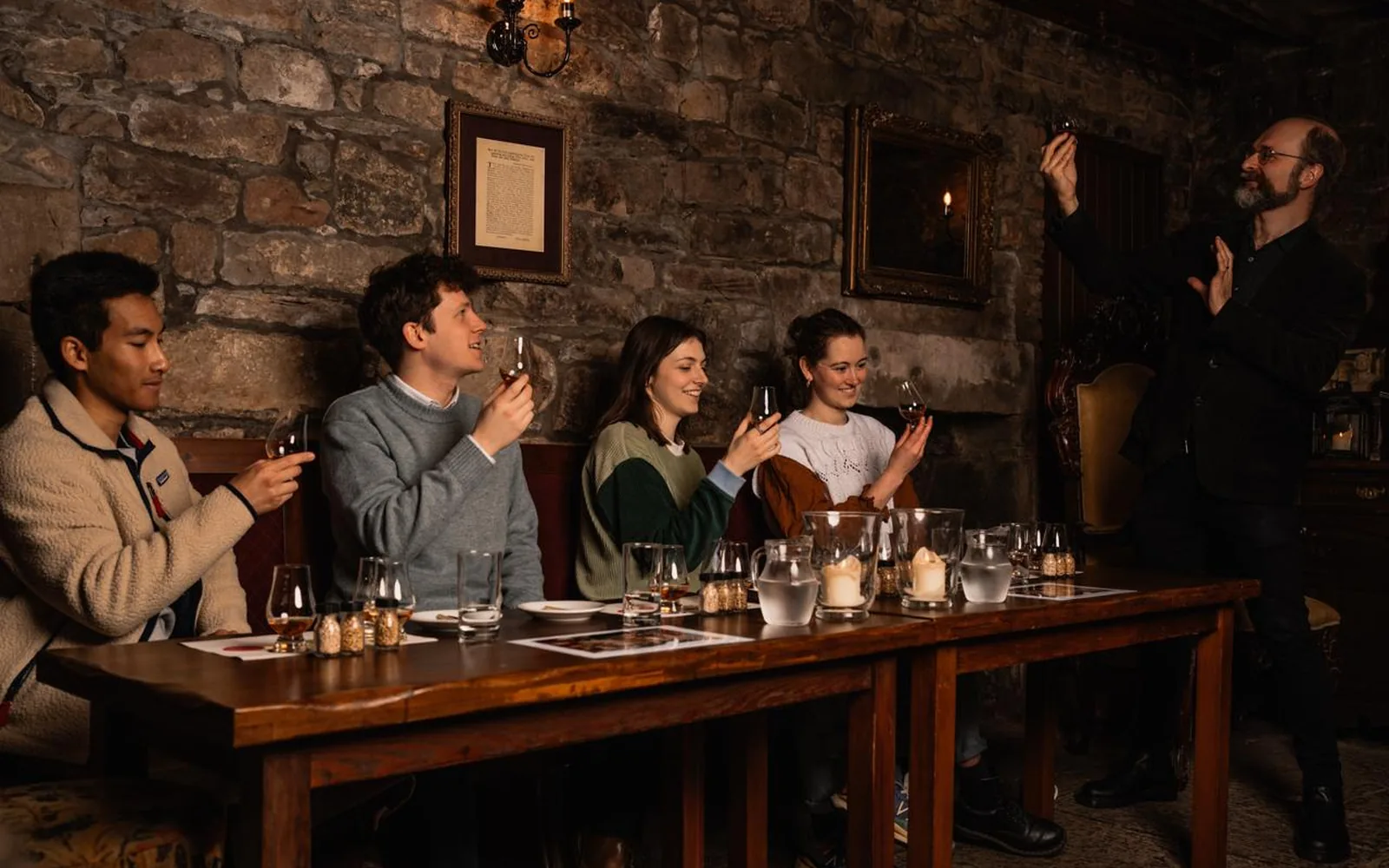
Whiskey tasting Edinburgh gives you a guided hour with 4 or 5 drams so you can tell them apart. We compared 12 tours from $32, with free cancellation and a 4.7 rating from 6,656 reviews for The Scotch Whisky Experience. The vault holds 5 regions.
From, per person
12 tours compared$32
Today's lowest price across all 12 tours
Average rating
11 rated tours47
6,976 verified reviews across 11 tours
Your day
Shortest to longest50min–9.8h
Shortest: The Scotch Whisky
Longest: Tastings & Distilleries
Everything you can book here
Twelve tastings, not tours. A room, a host and a flight of glasses — no coaches, no eight-hour days. Sorted by price, cheapest first, with the number of drams beside each one, because that is the number the listings never give you.
★ 4.7 · 6 656 reviews
★ 5.0 · 15 reviews
★ 4.9 · 32 reviews
★ 5.0 · 2 reviews
★ 4.8 · 32 reviews
★ 4.9 · 156 reviews
★ 4.8 · 9 reviews
★ 4.6 · 11 reviews
★ 4.8 · 45 reviews

★ 4.7 · 17 reviews
★ 5.0 · 1 reviews
Two questions
Twelve tastings and they are not twelve versions of the same hour. Some are a structured lesson, some are a pub table with a very good talker, one is dinner and one draws whiskey straight from a cask. Pick what you actually want out of the evening and we will point at one.
See it before you pay for it
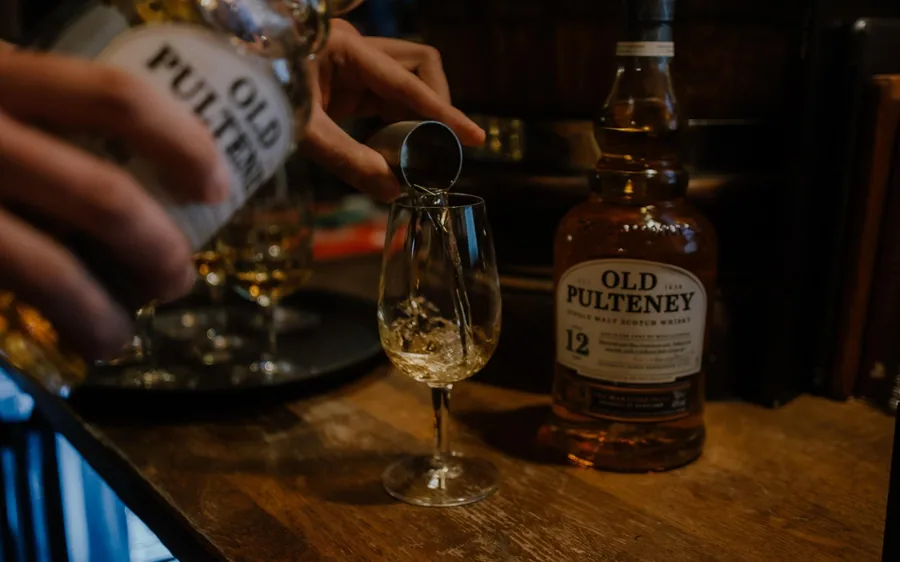
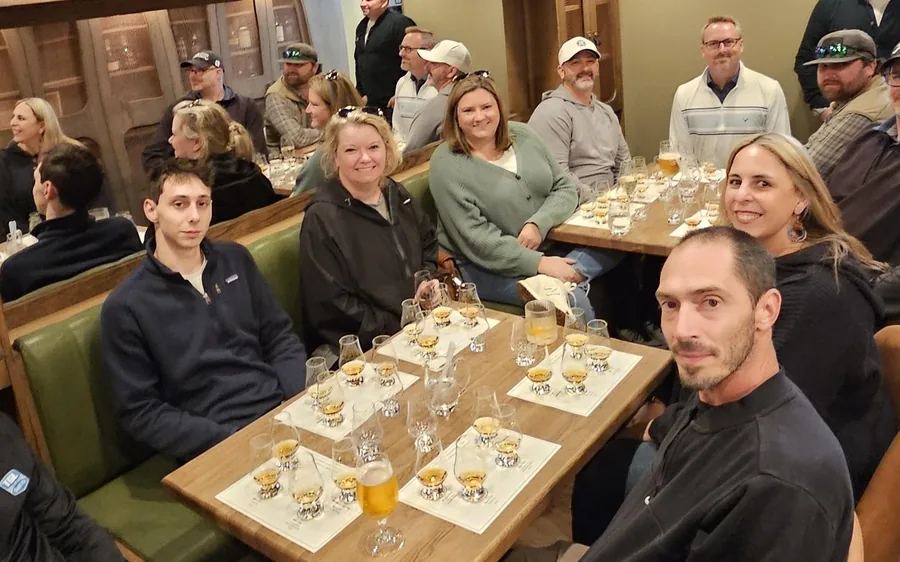
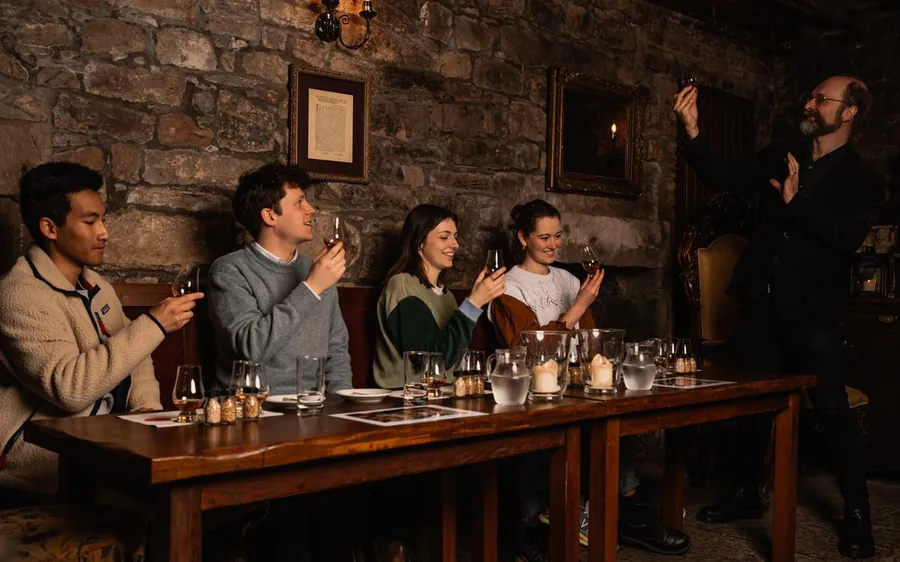
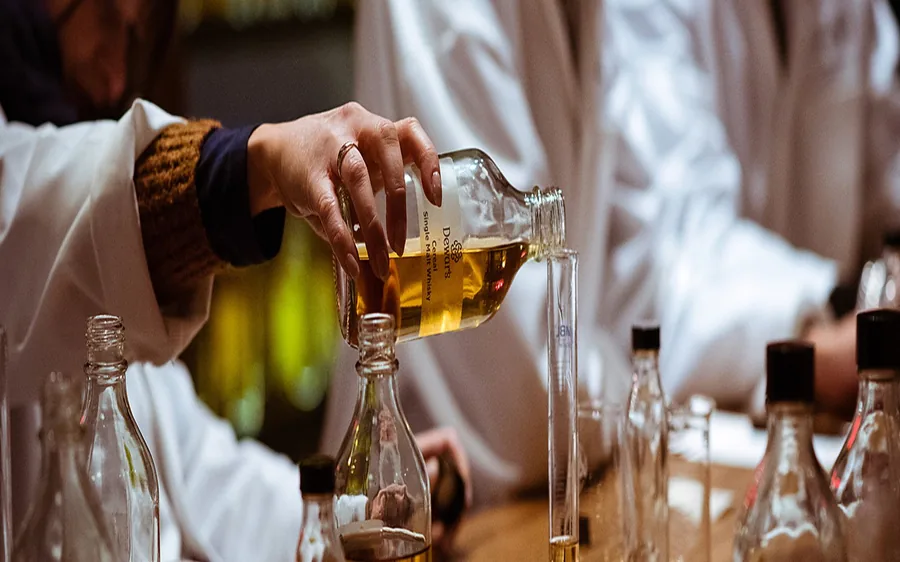
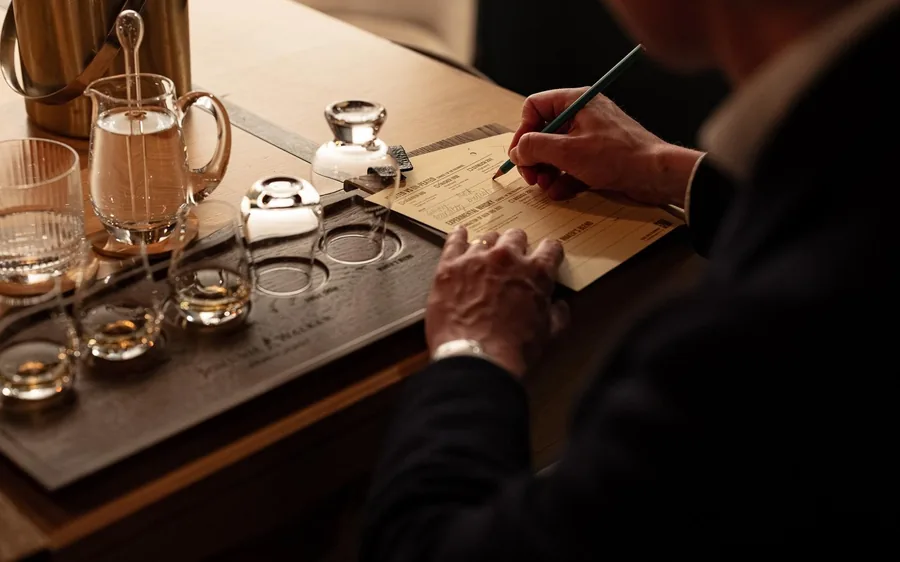
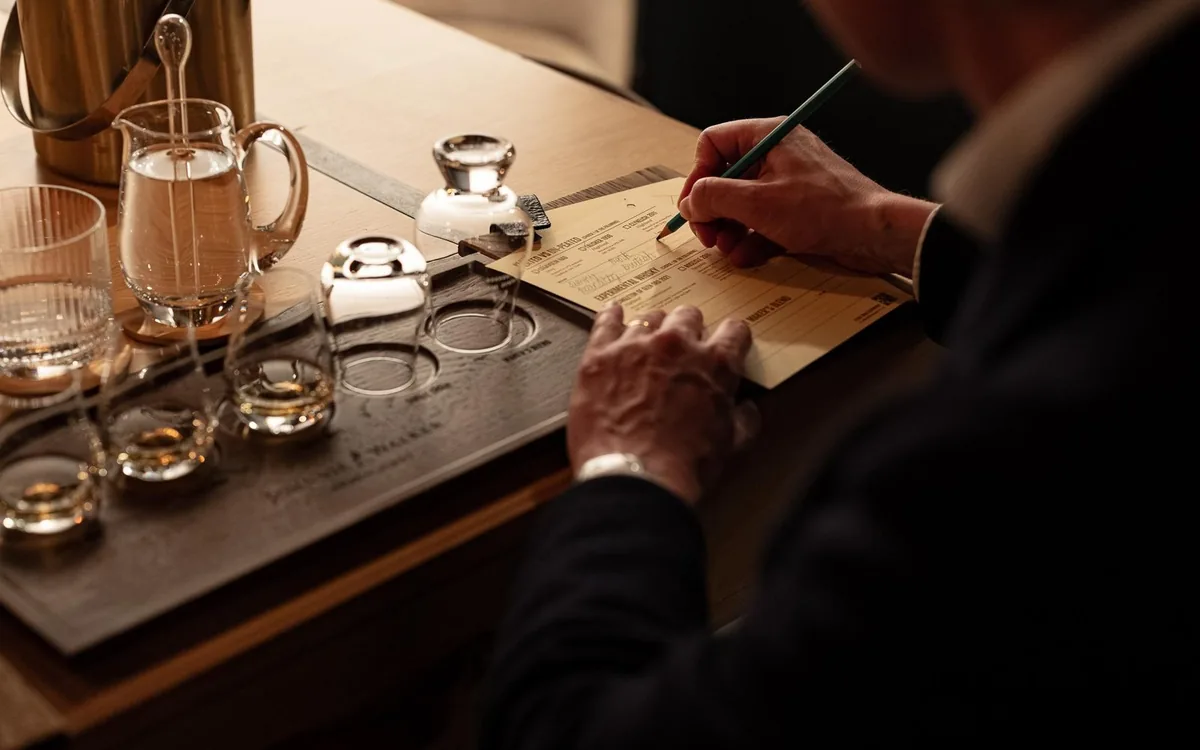
A table, a mat with five circles on it, a tulip-shaped glass at each one, and a jug of water nobody explains until halfway through. The host pours, you smell before you sip, and somewhere around glass three the thing everybody comes for happens: you start being able to tell them apart.
Side by side
The gap between the cheapest tasting here and the most expensive is a hundred and sixty dollars, and it does not buy better whiskey. It buys a smaller room, more time and, at the top, a cask nobody else has drawn from. Here is what each tier actually gives you.
Swipe the table sideways →
| MOST BOOKEDThe Scotch Whisky Experience | History of Whiskey Tour and Tasting | Johnnie Walker Cask Draw Tasting | |
|---|---|---|---|
| Price per person | $32 | $51 | $191 |
| How long it runs | 75 minutes | 2 hours | 1.5 hours |
| Cost per hour | $25.60 | $25.50 | $127.33 |
| Drams poured | Four or five | Four or five | From the cask itself |
| Regions covered | All five | All five, in depth | One cask, one distillery |
| Where | Castlehill, top of the Royal Mile | The Old Town, small group | Johnnie Walker, Princes Street |
| Who runs it | A host, and all five regions | A guide who teaches, in a small room | A cask, drawn in front of you |
| Group size | Timed entry, larger | Small group | Very small |
| Rating | 4.7 · 6,656 | 4.9 · 156 | 5.0 · 1 |
| Best for | A first tasting, ever | Understanding why | Having done both |
| Book this one→ | Check dates | Check dates |
Free cancellation up to 24 h · Reserve now, pay later
Verdict
It is the cheapest ticket on this page and the only one that puts all five Scotch regions in front of you in a single sitting. Seventy-five minutes, four or five drams, and 6,656 reviews at 4.7 — more than the other eleven tastings combined. Everything else here is better after it: once you know what a Speyside is supposed to taste like, a two-hour small-group session stops being a lecture and starts being a conversation.
Check dates and availability→Before you book
A five-star rating from two people is not the same claim as 4.7 from 6,656, and the listings present them identically. Two of the twelve tastings on this page have fewer than fifteen ratings between them. They may well be excellent — a new listing has to start somewhere — but at the same price as something with thousands of reviews the risk is one-sided. We print the count beside every score for exactly this reason.
Two-minute check
Twelve tastings, and the price tells you almost nothing about which is right. Three questions narrow it to one: how much Scotch you already drink, what you are willing to spend, and whether you want the whiskey on its own or with food.
How much Scotch do you already drink?This decides more than budget does
What are you willing to spend?Per person, drams included
Whiskey on its own, or with food?The question nobody asks and everybody should
You'll get the tasting that fits, the one thing about it that catches people out, and an honest word about how much evidence its rating rests on.
Six kinds of night
Ratings are the operators’ own numbers on GetYourGuide, shown as published. We do not write reviews and we do not average other people’s into a score of our own. Where a tasting has only a handful of ratings, we say so on the card.
★★★★★
Based on 6,976
verified reviews
All twelve Edinburgh whiskey tastings on this page, rated on GetYourGuide.
Read all 6,976→The Scotch Whisky Experience
From $32 · 6,656 reviews
★★★★★
Seventy-five minutes on Castlehill covering all five Scotch regions. Rated 4.7 across 6,656 reviews — more than the other eleven tastings on this page put together, and the cheapest ticket here as well.
History of Whiskey Tour and Tasting
From $51 · 156 reviews
★★★★★
Two hours, small group, the history and the tasting braided together. 156 reviews at 4.9 — after the top pick this is the best-evidenced listing here, and small groups are most of the reason.
Tasting and Storytelling in a Pub
From $42 · rated 4.9
★★★★★
Two hours at a table in a working Edinburgh pub with someone who talks for a living. If what you wanted from Scotland was to drink whiskey with a Scot rather than be shown a slideshow, this is it.
Tasting with a Three-Course Dinner
From $121 · 45 reviews
★★★★★
Three and a half hours, three courses, and the tasting built through the meal rather than bolted on. It is the version that works when only one of you actually came for whiskey.
Luxury Whiskey and Chocolate Tasting
From $96 · one hour
★★★★☆
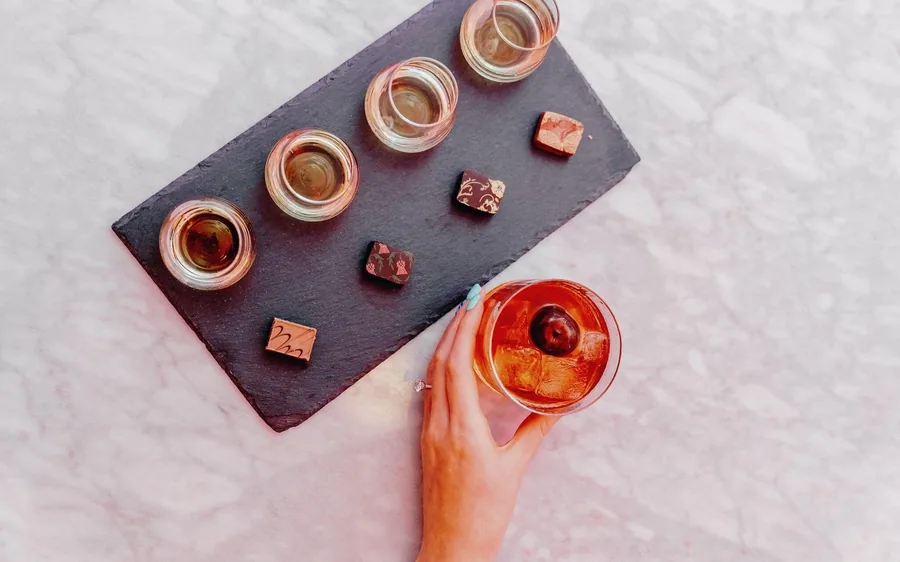
Scottish chocolate against a flight of whiskey, in an hour. Pairing sounds like a gimmick until you taste a peated Islay against dark chocolate and understand why sommeliers do this for a living.
Johnnie Walker Cask Draw Tasting
From $191 · the highest price here
★★★★☆
Whiskey drawn straight from a cask at Johnnie Walker — a pour that does not exist in a bottle anywhere. One review so far, so treat the rating as a placeholder and the experience as the reason.
What it really costs
Between thirty-two and a hundred and ninety-one dollars, and the honest way to read that is per dram rather than per ticket. Four or five pours of good single malt in a US bar runs sixty to eighty dollars before anyone teaches you anything.
Swipe sideways →
| Kind of tour | Price | What you get | Cancellation |
|---|---|---|---|
| The standard tasting | $32–$51 | Four or five drams, 1–2 hours, all five regions | Free cancellation 24 h |
| Tasting with food | $96–$143 | Paired with chocolate, or a three-course dinner | Free cancellation 24 h |
| The rare one | $191 | Drawn straight from a cask at Johnnie Walker | Free cancellation 24 h |
The honest answer
Buy the bottle and you have one whiskey and no idea why you like it. Book the tasting and you get five, side by side, with someone explaining what changed between them — and then you buy the right bottle. For a first trip that order is not close.
The hour, glass by glass
Four or five measures on an empty stomach is the single commonest way to waste the ticket, and every host in this city will tell you the same.
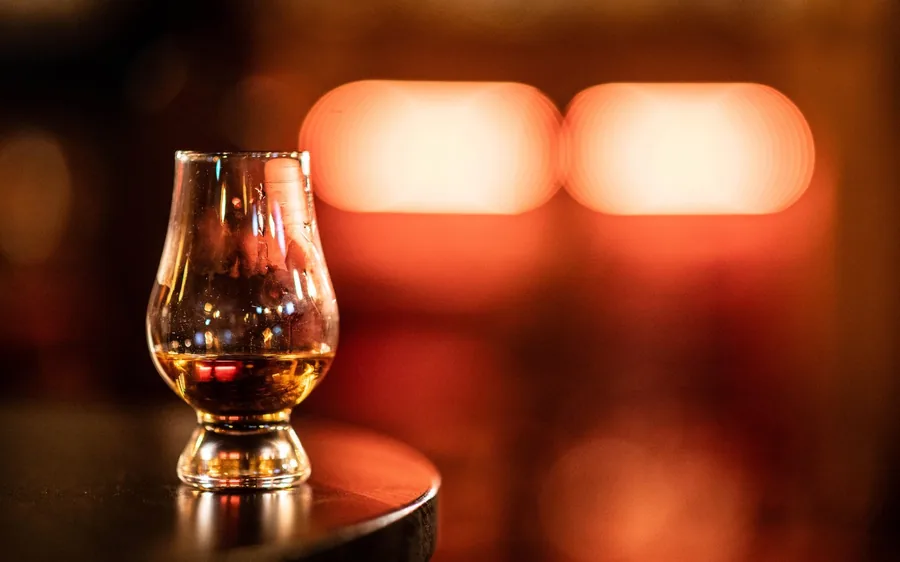
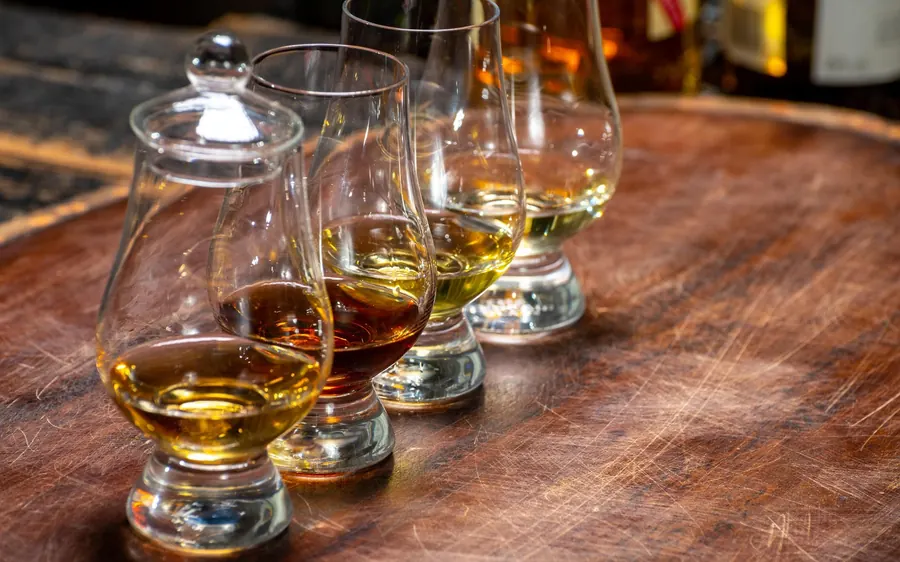
A paper mat with circles on it and a tulip-shaped glass at each one. The glass is a Glencairn — in production since 2001 — and its shape is doing real work.
Light, grassy, gentle. It opens the flight for a reason: everything after it will taste bigger by comparison, and you need a baseline.
The two biggest regions. Speyside is the orchard-fruit-and-honey style most Americans already picture when they hear Scotch.
Added to a cask-strength dram it releases compounds the alcohol was holding down. This is the single most useful thing you will be taught all week.
Peat smoke. Half the table loves it immediately and half never will, and that is the moment people remember.
Almost everybody finds one, and almost never in the region they walked in loyal to. That is what the money actually bought.
If you flew in
Edinburgh is five hours ahead of New York and eight ahead of Los Angeles, and a tasting is four or five measures in ninety minutes. Booked for the afternoon you land, on airplane food and four hours of broken sleep, it is money spent on a nap you will not remember. Every host in this city has watched it happen. Put it on day two, after a proper lunch, somewhere between four and seven in the evening — your palate is awake by then, and you finish with the Old Town still in front of you rather than behind you.
Four parts of the hour
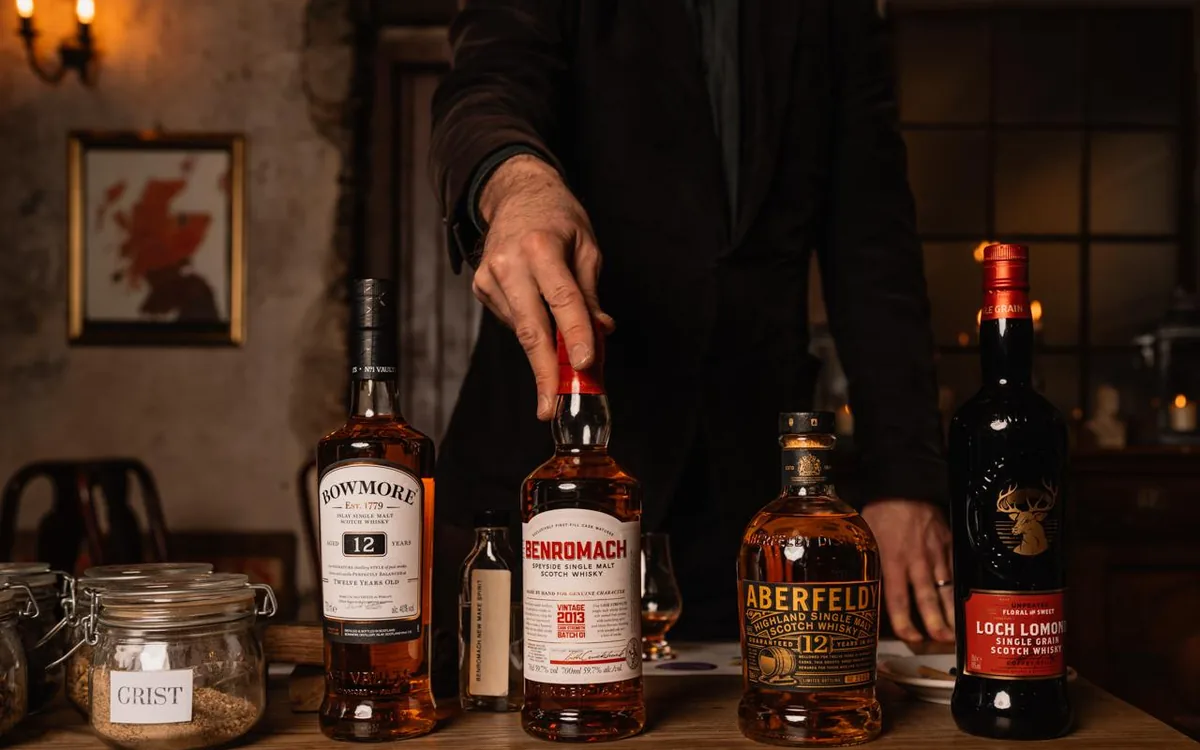
Four or five drams, one from each Scotch region, poured in order.
A Glencairn, made in Scotland since 2001. Not a rocks glass.
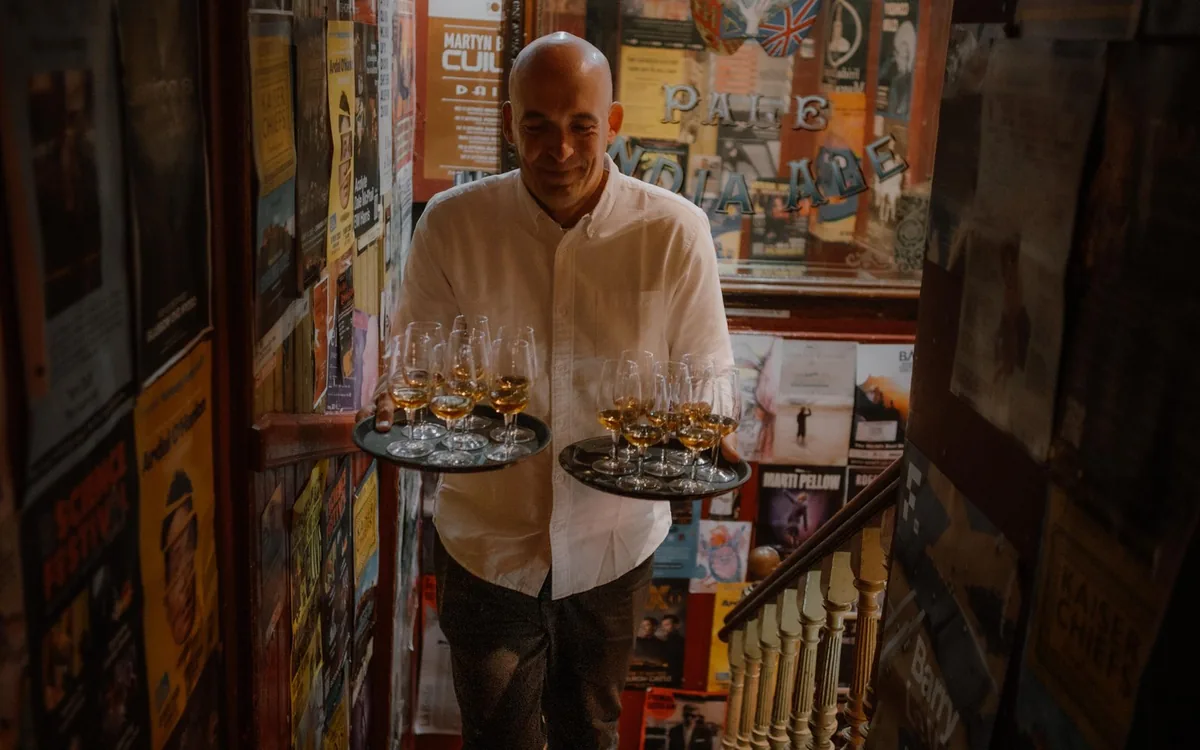
Most tastings here seat eight or ten. Some seat six.
Three years in oak is the legal floor. Most of what you taste is far older.
Start here
Here is the short version, because it is the thing most Americans arrive not knowing: Scotch and bourbon are not two flavours of the same drink. They are two different legal products with almost opposite rules.
Bourbon is defined by American federal regulation. It has to be made in the United States, from a mash of at least fifty-one per cent corn, distilled to no more than eighty per cent alcohol, put into the barrel at no more than 62.5 per cent, and aged in new charred oak. There is no minimum age at all unless the label says “straight”, which means two years.
Scotch is defined by the Scotch Whisky Regulations 2009 and the rules point the other way. It must be distilled and matured in Scotland, spend at least three years in oak casks of no more than seven hundred litres, be distilled below 94.8 per cent, be bottled at no less than forty, and contain nothing added but water and plain caramel colouring.
Read those two paragraphs beside each other and the whole taste difference falls out. New charred oak is aggressive: it gives bourbon the vanilla and caramel that American drinkers recognise instantly, and it gives it fast. Scotch usually goes into a cask that has already held bourbon or sherry, so the wood gives up less and gives it up slowly — which is why three years is a floor nobody actually stops at.
That is also why a tasting is worth an hour of your trip. One bottle teaches you one thing. Five glasses in a row, poured in a deliberate order by somebody who can tell you what changed between them, teaches you the shape of the whole category.
The order is not decoration either. A good flight opens with a Lowland — light, grassy, gentle — because you need a baseline before anything else can taste big. Then Highland, the largest and least consistent region. Then Speyside, around fifty distilleries making the honey-and-orchard-fruit style most people picture when they hear the word Scotch.
Then Islay, and the room splits. Nine distilleries on one island, drying their malt over peat smoke, and it arrives in the glass as smoke, iodine and sea air. Half the table falls in love and half never will. If Campbeltown turns up at the end — three working distilleries left on a peninsula that once had more than thirty — pay attention, because it is the rarest thing on the table.
And somewhere in the middle a host will tell you to add a drop of water, which sounds like vandalism to anyone raised on neat pours. It is not. Water breaks the surface tension and releases aromatic compounds the alcohol was holding down, and on a cask-strength dram the change is not subtle. It is the one piece of technique you take home and use for the rest of your life.
If a lecture is not what you want
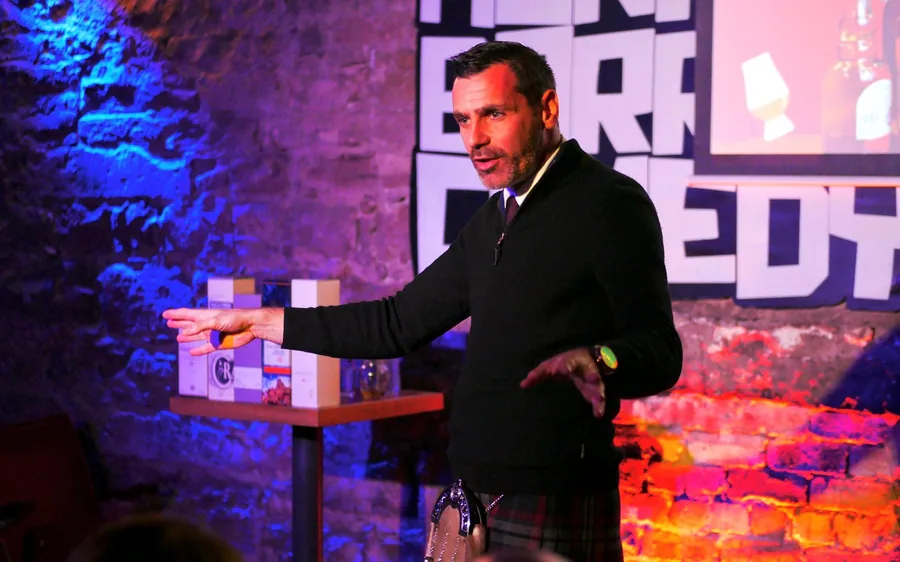
Not everybody wants to be taught. One of these is a comedian with a flight of glasses, one pairs the whiskey with Scottish chocolate so the person who did not come for whiskey still has an evening, and one is two hours at a pub table with somebody who talks for a living. All three pour the same quality of Scotch as the serious ones.
Practical
Five things decide how it goes, and three of them only apply if you flew in: what time your body thinks it is, whether you have eaten, what you are allowed to carry home, the fact that nobody here will be driving, and how far ahead you booked in August.
A tulip that narrows at the rim, in production since 2001 and designed by Raymond Davidson at Glencairn Crystal in East Kilbride. It won the Queen’s Award for Innovation in 2006.
It came from the nosing copita used in Scottish blending laboratories: the bowl gives the whiskey surface area, the taper gathers the aromatics and points them at your nose.
Wide rim, no concentration. Fine for ice and a highball, useless for judging anything.
And several let you keep it. It will change how whiskey tastes in your own kitchen more than any bottle you buy here.
Mouth closed, mouth slightly open, then after a swirl. Different compounds arrive each time and the difference is obvious once somebody says it out loud.
You are not drinking brandy. Body heat pushes the alcohol up and buries everything underneath it.
Light and grassy. It is the baseline, and without it nothing later has anything to be bigger than.
More than thirty mainland distilleries, forty-seven with the islands, running from delicate coastal malts to heavy sherried ones.
Around fifty distilleries in a small area, and the honey-and-orchard-fruit style most people mean by Scotch. Formally recognised as its own region only in 2014.
Nine distilleries, peat-dried malt, smoke and iodine. Nobody is neutral, and the good hosts warn you before they pour it.
Three working distilleries on a peninsula that once had more than thirty and called itself the whisky capital of the world.
A peated dram flattens your palate for anything gentler. Any host who pours it early is not thinking about you.
Converted at a fixed rate. Operators bill in pounds, so your card statement will show sterling converted by your own bank.
Every tasting here is walkable from the Royal Mile. That is not a coincidence — it is the whole reason to do this in a city rather than in Kentucky.
A tasting on your first afternoon, on airplane food and four hours of sleep, is money spent on a nap. Day two.
Per person over 21. Above that the duty is small and flat, and in practice you are usually waved through.
Between 24 and 70 per cent alcohol, up to five litres per passenger in retail packaging. Over 70 per cent is not allowed at all.
Hosts here like it. Telling them what you already drink is the fastest way to get a flight that actually suits you.
Standard on every tasting on this page.
The Fringe fills the whole city and the Old Town tastings go days in advance.
Two of these have fewer than fifteen ratings. They may be excellent; there is simply less evidence.
Eight people is a conversation. Thirty is a lecture, and the reviews say so.
Every tasting has one and it is on the listing. Scotland’s legal drinking age is 18, not 21.
Four or five drams twice in a day is more whiskey than anybody learns from.
Best time
Tastings are indoors and run all year, so the month decides availability and crowd size rather than quality. The one month to plan around is August.
Sep – Nov
The best window by a wide margin. The Festival crowds have gone, the rooms are small, the hosts are unhurried, and you can often book two days ahead. Flights from the US are cheaper than summer too.
Dec – Feb
Dark by half past three, warm rooms, cheapest beds of the year. Nothing indoors is affected. If whiskey is the reason for the trip, this is the value season.
Mar – May
Quiet, comfortable and fully available. Book a couple of days ahead for the small-group tastings and you will be fine.
Jun – Jul
Busy but manageable. Long daylight, which matters more for the city than for the tasting room.
Aug
The Fringe fills Edinburgh. Old Town tastings sell out days in advance, groups run at their largest, and the Royal Mile in the evening is barely passable. Book weeks out or come in September.
Worth knowing
Bourbon uses new charred oak; Scotch almost never does. That single rule is most of the taste difference, and knowing it makes every glass at the table legible.
Add a drop of water to at least one dram. It breaks the surface tension and releases compounds the alcohol was suppressing. On a cask-strength whiskey the change is dramatic, and it is the one technique you keep for life.
The glass is not a prop. A Glencairn has been made in Scotland since 2001 and its taper gathers the aromatics and points them at you. A rocks glass throws that away.
Eat first. Four or five measures in ninety minutes on an empty stomach is the commonest way to waste the ticket, and every host in this city says so unprompted.
Do not do this on your first afternoon. Jet lag plus Scotch is a nap, not a memory. Book it for day two.
You can take one litre home duty free. Above that the duty is small and flat. Bottles go in checked baggage — up to five litres per passenger between 24 and 70 per cent alcohol, and nothing over 70 per cent at all.
Round out the trip
3 h 20 · ★ 4.8 (45)
$121View 3 hours · ★ 4.7 (17)
$143View 1.5 hours · ★ 5.0 (1)
$191ViewGo deeper
Common questions
A whiskey tasting is a guided session, usually sixty to ninety minutes, in which a host pours you four or five measures in a deliberate order and explains what changes between them. In Edinburgh the order is almost always by Scotch region — Lowland, Highland, Speyside, Islay and sometimes Campbeltown — because that is the framework that makes every other whiskey you ever drink legible. The drams are included in the ticket price.
From $32 for the standard guided flight to $191 for whiskey drawn straight from a cask. Most sit between $32 and $51, and the drams are always included. Four or five pours of good single malt in a US bar would cost more than the cheapest ticket here.
In Scotland it is spelled whisky, with no e, and that spelling appears on every Scottish label and in the Scotch Whisky Regulations 2009. Whiskey with an e is Irish and American usage. It is a geographical convention, not a difference in the drink — if you searched for a whiskey tasting in Edinburgh you are in exactly the right place.
Bourbon must be made in the United States from at least fifty-one per cent corn and aged in new charred oak, with no minimum age unless the label says straight. Scotch must be distilled and matured in Scotland for at least three years in oak casks of up to seven hundred litres, and it almost always goes into a cask that has already held something else. New oak is why bourbon tastes of vanilla and caramel; used oak and time are why Scotch does not.
Four or five at a standard Edinburgh tasting, usually one from each Scotch region. A tasting paired with food may pour four alongside the courses. The cask-draw session pours from the barrel itself, which is a different kind of experience rather than a bigger one.
To at least one dram, yes. Water breaks the surface tension and releases aromatic compounds the alcohol was suppressing, and on a cask-strength whiskey the difference is dramatic rather than subtle. Every host in Edinburgh will offer it; take them up on it at least once.
No, and the best-reviewed tastings here are explicitly built for people who do not. Say at the start that you are a bourbon drinker or that Scotch is new to you — hosts in this city would rather teach a beginner than perform for an expert, and the flight will be pitched at you.
One litre per person over 21 comes in duty free. Above that you pay a small flat duty, and in practice travellers are usually waved through. Bottles must go in checked baggage: between 24 and 70 per cent alcohol you may carry up to five litres per passenger in retail packaging, and nothing over 70 per cent is permitted at all.
Free · no account needed
One PDF: all twelve tastings on a page with price in dollars and drams poured, the five regions on a single sheet you can carry into any bar, and the customs rules for flying home with bottles.
The plan is on its way. If it isn't there in a minute, look in Promotions.
Why trust this page
Rules come from the source: the Scotch Whisky Regulations 2009, the US federal standard for bourbon, and US Customs and airline dangerous-goods limits for carrying bottles home. Prices and ratings are read off the live listings.
Two of the twelve tastings here have fewer than fifteen ratings. We print the number beside the score every time, because 5.0 from two people and 4.7 from 6,656 are not the same claim.
Prices in dollars, distances from the Royal Mile, jet lag, drinking age and customs allowances. The things a guide written for a local would never think to mention.
Twelve tastings, ordered by price, ranked on drams poured and review weight. We earn a commission when you book and it does not change what we recommend.
The answer
If you are doing one whiskey thing in Edinburgh, do the one that covers all five Scotch regions in seventy-five minutes for $32. It is the cheapest ticket on this page and it carries 6,656 reviews — more than the other eleven combined. Then, if the trip is going well, add the two-hour small-group session at $51, which is where you stop being a beginner.
Check dates and availability→ Free cancellation up to 24 hours · Reserve now, pay laterBefore you go
All twelve tastings in dollars with the drams poured, the five regions on one sheet, and the customs rules for flying home with bottles.
Check your inbox in a minute.
or
Just show me live dates and prices →
The Scotch Whisky Experience
★ 4.7 · 6 656 reviews · Free cancellation 24 h